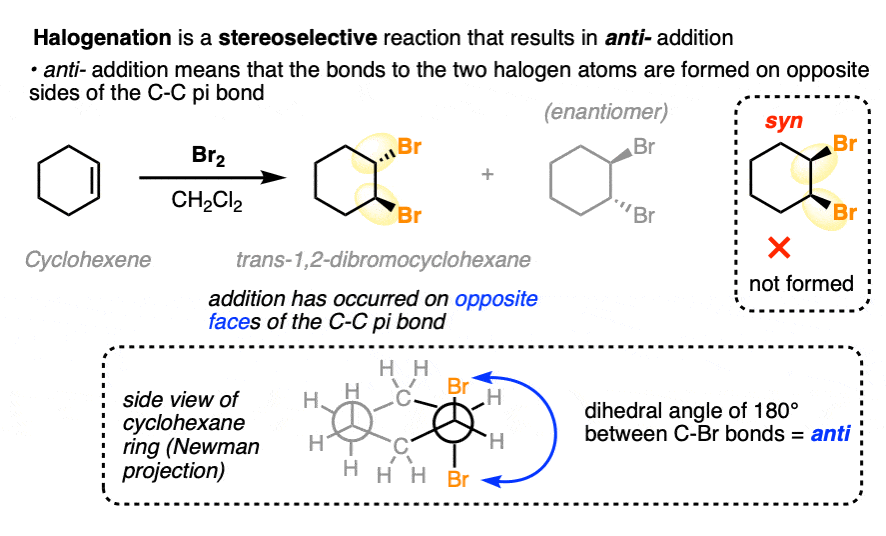
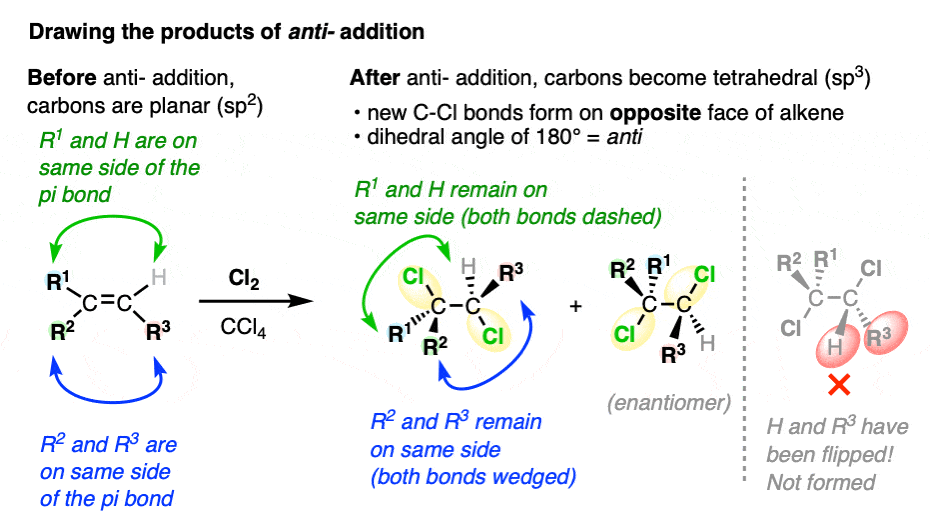
Question: Halogenation of alkene is regioselective. Explain briefly.
Question: Suggest how to couple an alkyne with a haloalkane.
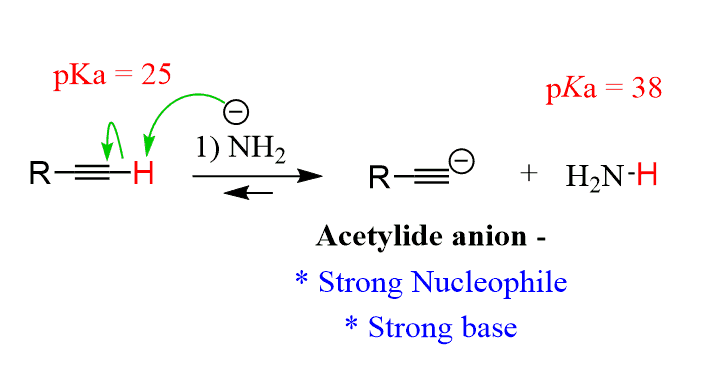

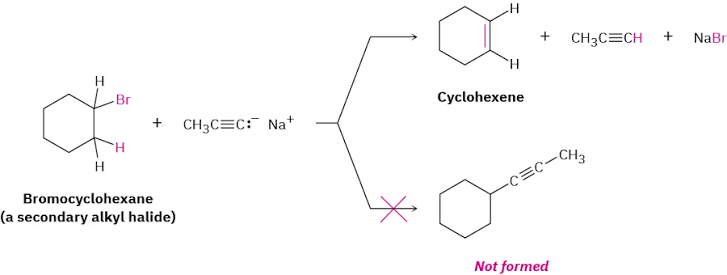
Solution: This is steric hindrance. A strong nucleophile with considerable steric hindrance will perform elimination reacton instead of nucleophilic substitution:
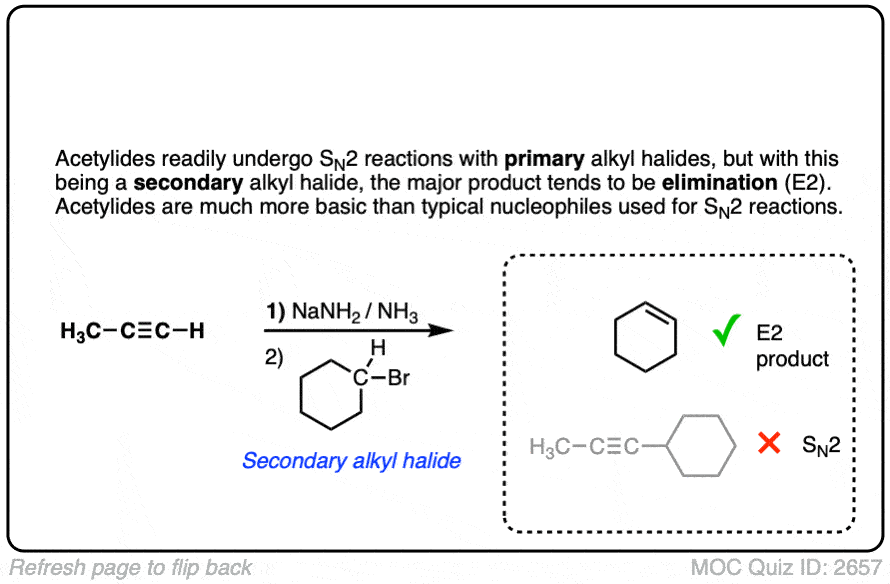
Why Elimination Beats Substitution
-
Strong Base: Acetylide anions carry a negative charge and act as powerful bases. [1]
-
Steric Hindrance: Secondary and tertiary bromoalkanes have bulky carbon groups around the reactive carbon. These groups block the acetylide ion from performing a clean back-side attack (S_{N}2 substitution). [1, 2]
-
Proton Abstraction: Because the acetylide ion cannot easily reach the carbon to substitute the bromine atom, it instead snatches a neighboring hydrogen (beta-hydrogen) atom. [1]
-
Double Bond Formation: Removing that hydrogen and the bromine group triggers an elimination process (E2), creating the stable ring with a double bond—cyclohexene. [1, 2]
To get a substitution product (an alkyne attached to a ring), you must use an unhindered primary bromoalkane instead of a secondary one. [1]
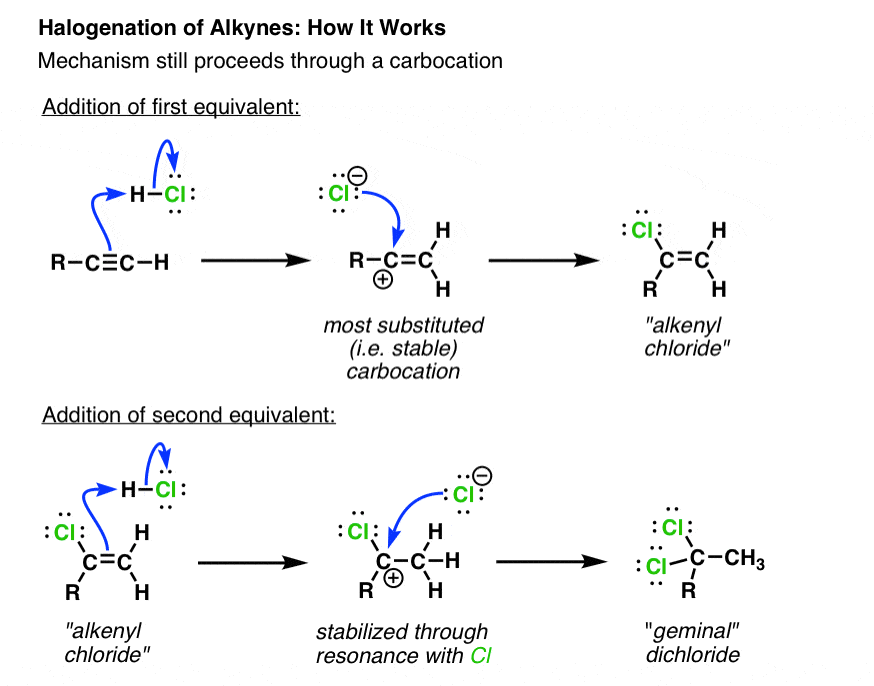
Question: Explain why during halogenation of alkyne, the halide atoms will stick to the same carbon atom.
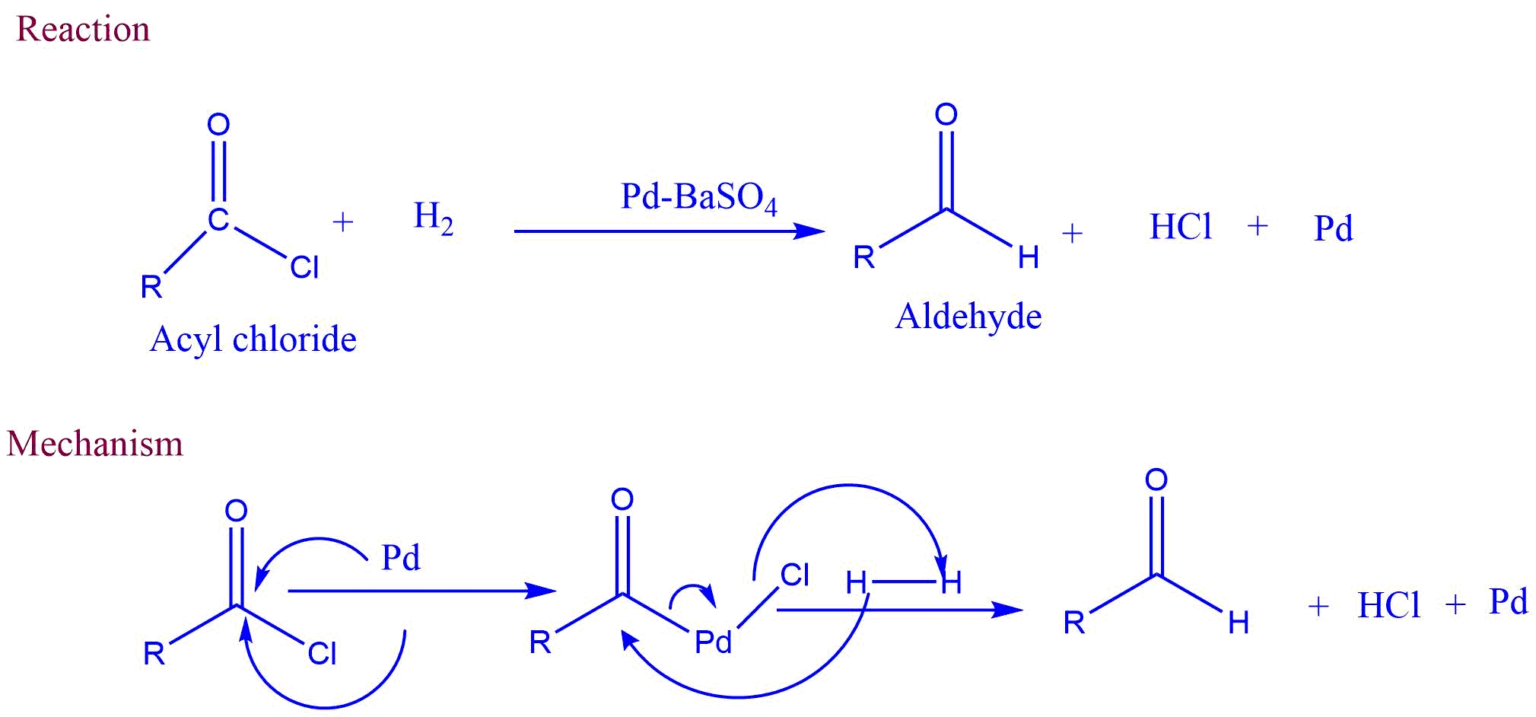
Question: Suggest how to reduce acyl chloride to aldehyde.
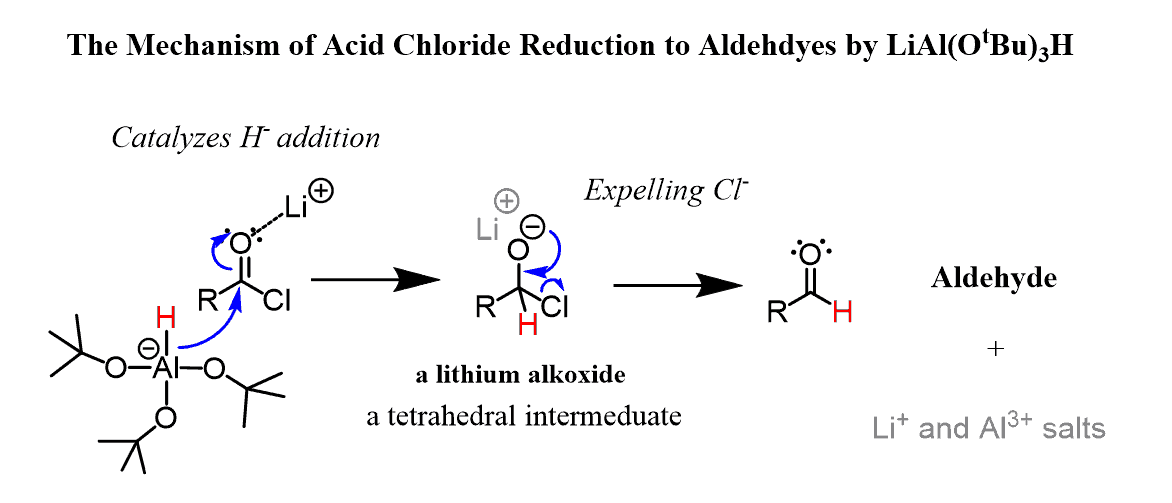
Question: Hence, suggest an alternative method.
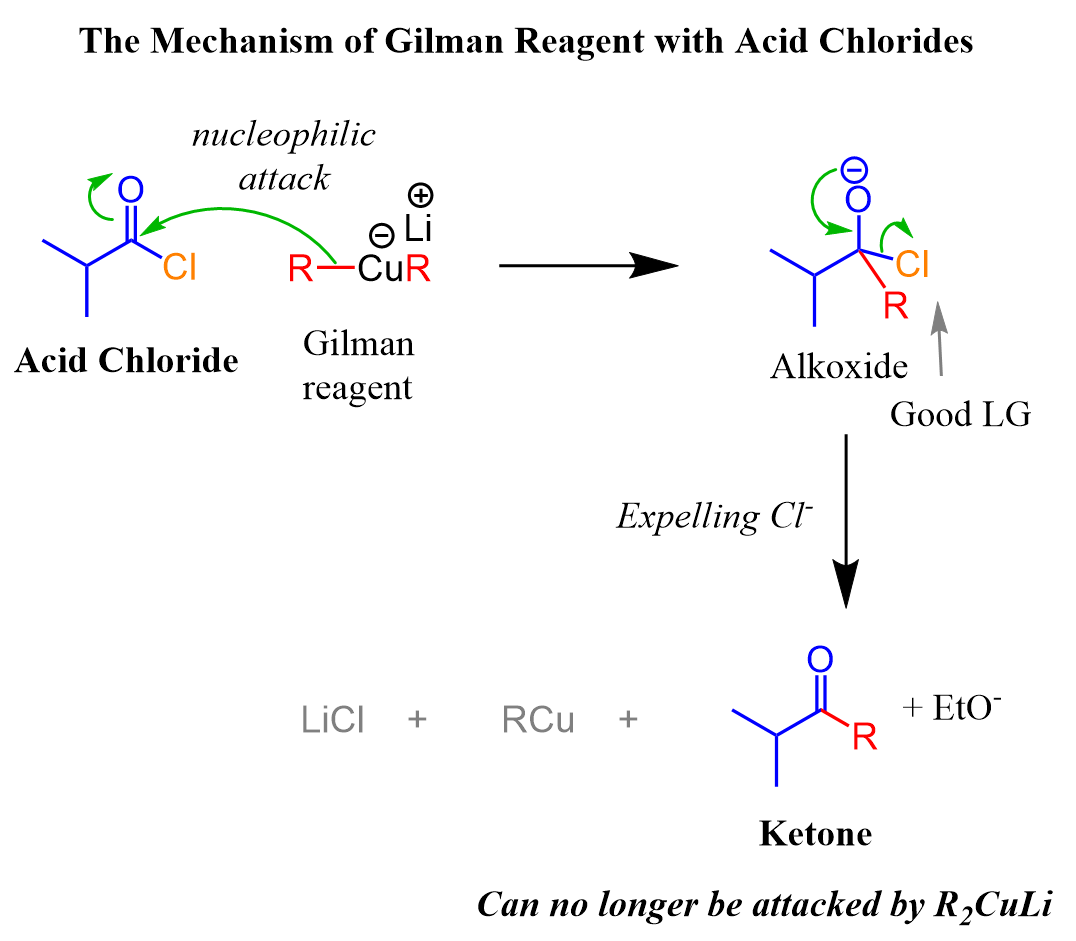
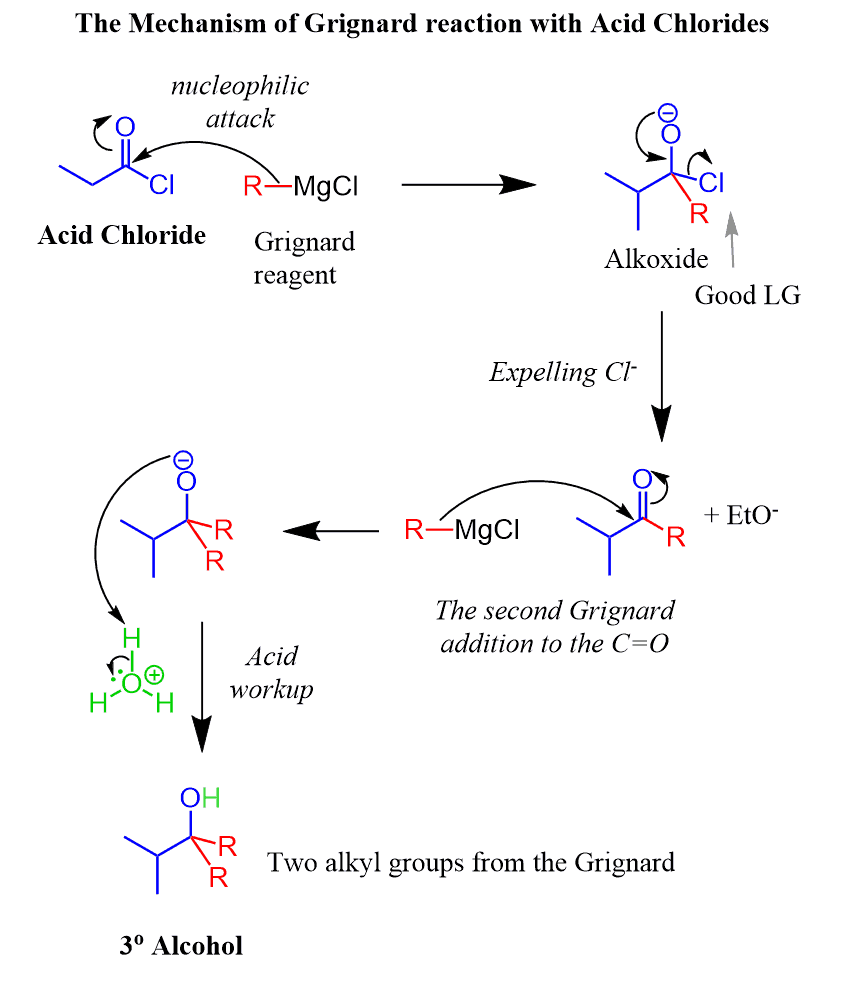
Question: Suggest any two methods to reduce an acyl cholride to ketone.
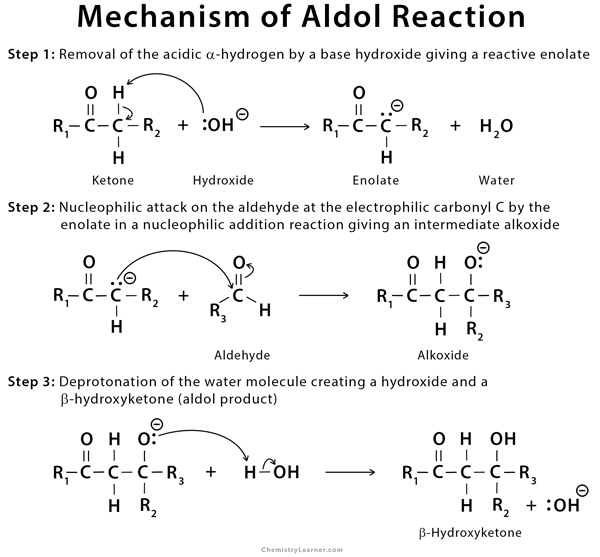
Question: Aldehydes will react with cold NaOH to form a compound not found in 1997-2013 HKALE Chemistry curriculum. What is it? Suggest the reaction mechanism for it.
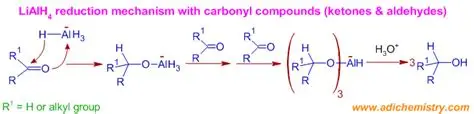
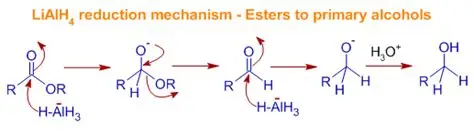
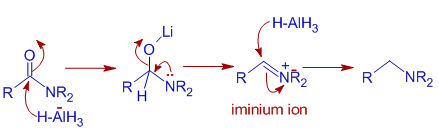
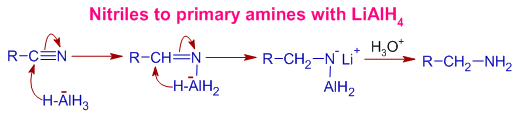
Question: What is LiAlH_4 used for?
Question: Explain why cyclohexane does not react with chlorine gas at room temperature.
Solution:
Cyclohexane does react with chlorine (\text{Cl}_{2}), but the reaction only happens under specific conditions like ultraviolet (UV) light or high heat. [1]
In a dark room at room temperature, cyclohexane and chlorine do not react because the mixture lacks the energy needed to start the reaction. [1, 2]
Why They Do Not React in the Dark
-
Strong Bonds: Cyclohexane is a stable cycloalkane. All its carbon-carbon and carbon-hydrogen bonds are strong single covalent bonds (\sigma -bonds).
-
Non-Polar Molecules: Both cyclohexane and \text{Cl}_{2} are non-polar. They do not have positive or negative charges to attract each other.
-
No Easy Target: Unlike alkenes (like cyclohexene), cyclohexane has no electron-rich double bond to attract chlorine. [1, 2, 3, 4]
How to Make the Reaction Happen
To get cyclohexane to react with \text{Cl}_{2}, you must add UV light or heat. [1]
-
Initiation: UV light breaks the \text{Cl}_{2} molecule apart into two reactive chlorine atoms called free radicals.
-
Substitution: These highly reactive chlorine radicals steal a hydrogen atom from cyclohexane to form hydrogen chloride (\text{HCl}), leaving behind a carbon ring radical.
-
Product Formation: That carbon radical then reacts with another \text{Cl}_{2} molecule to form chlorocyclohexane. [1, 2]